












notes on the work //
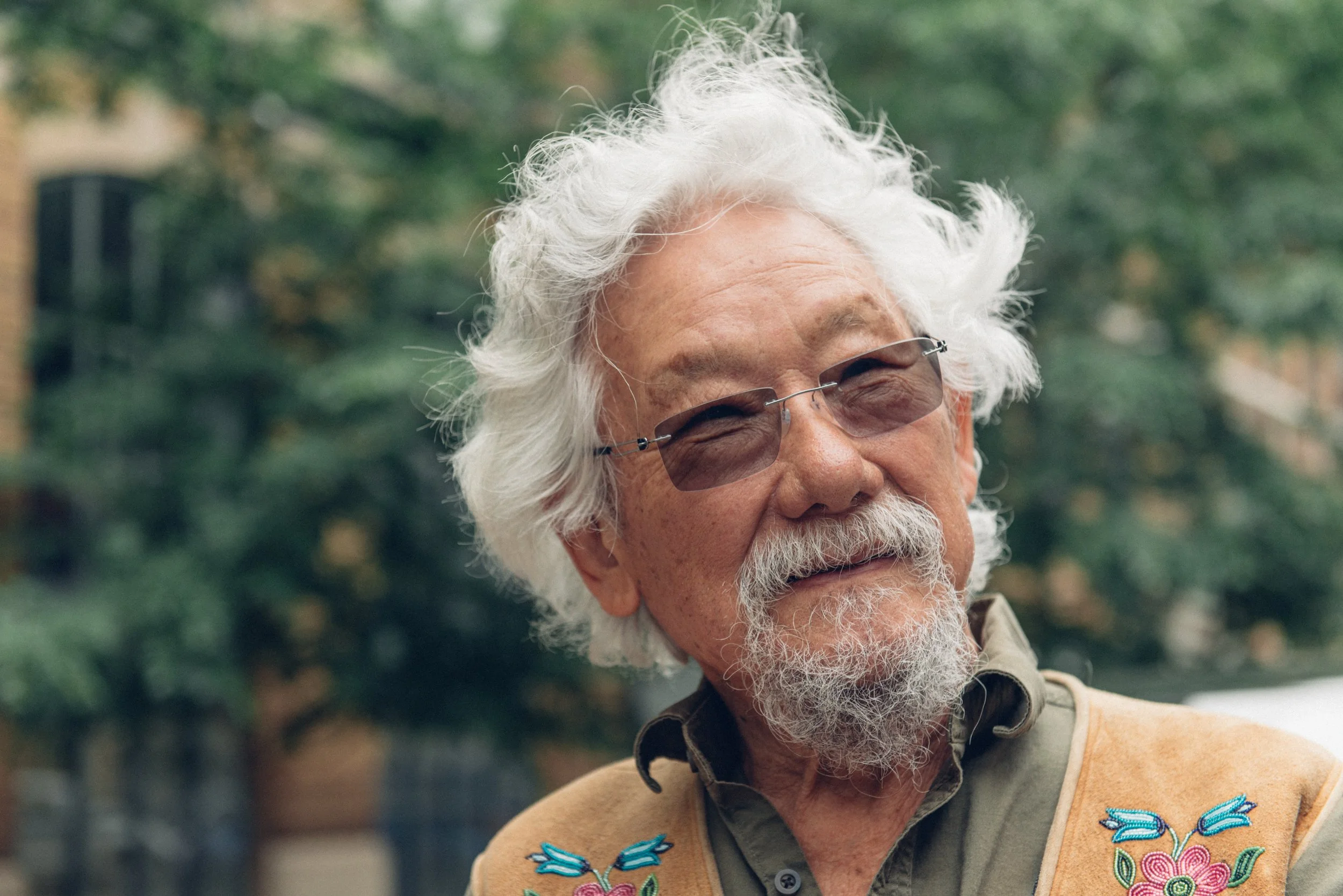
I have always been drawn to the stories women carry, and the many ways strength reveals itself.
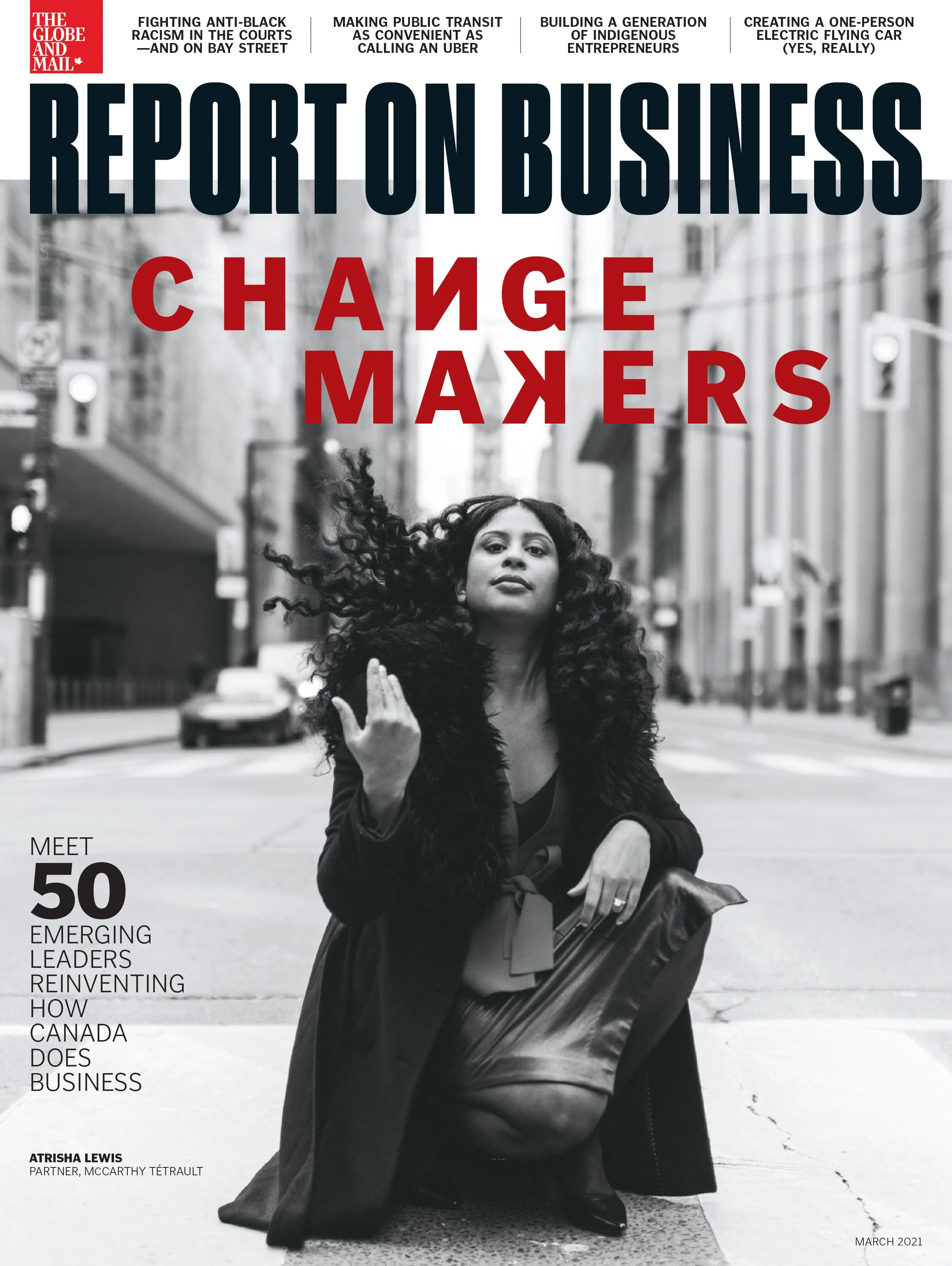
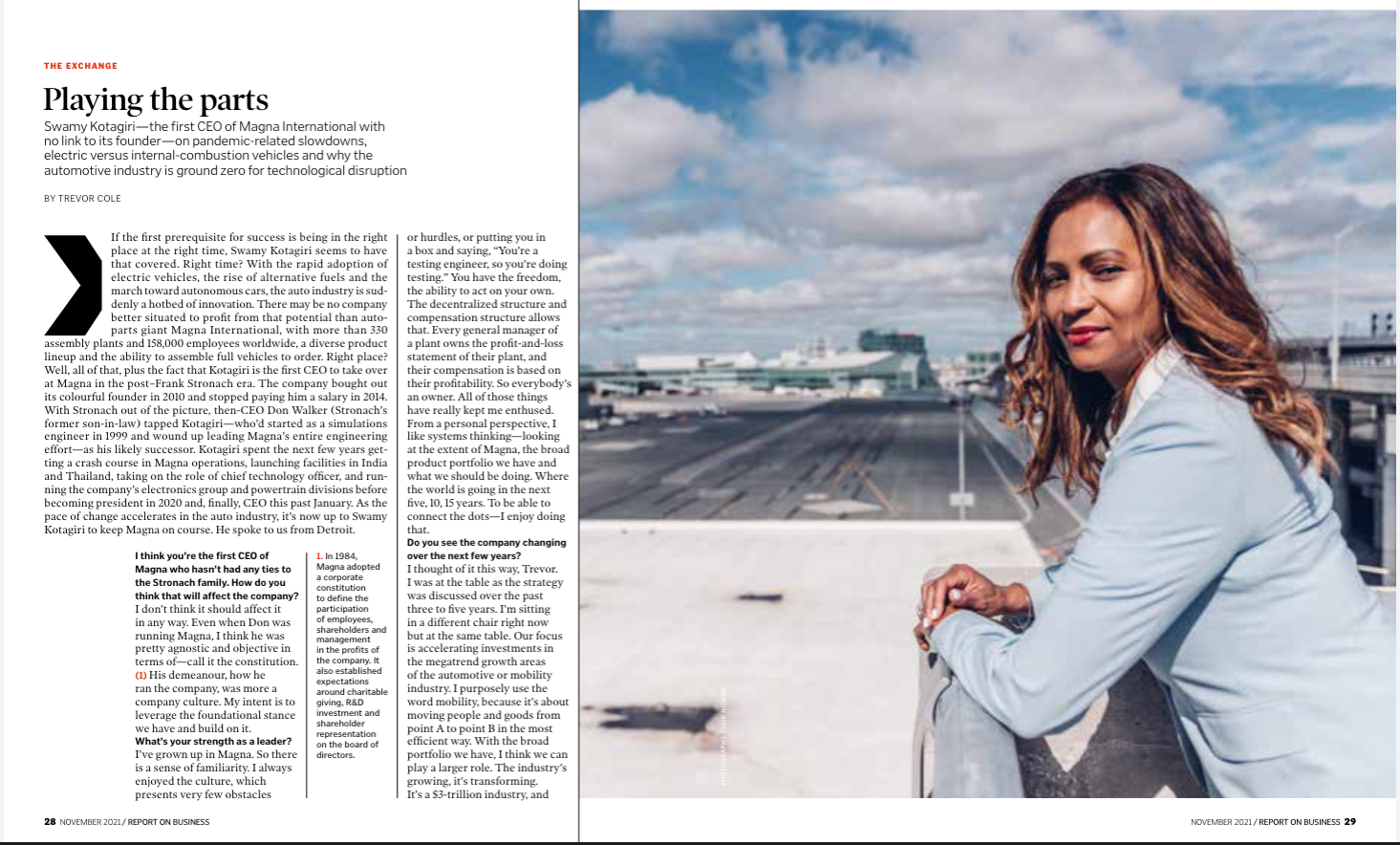
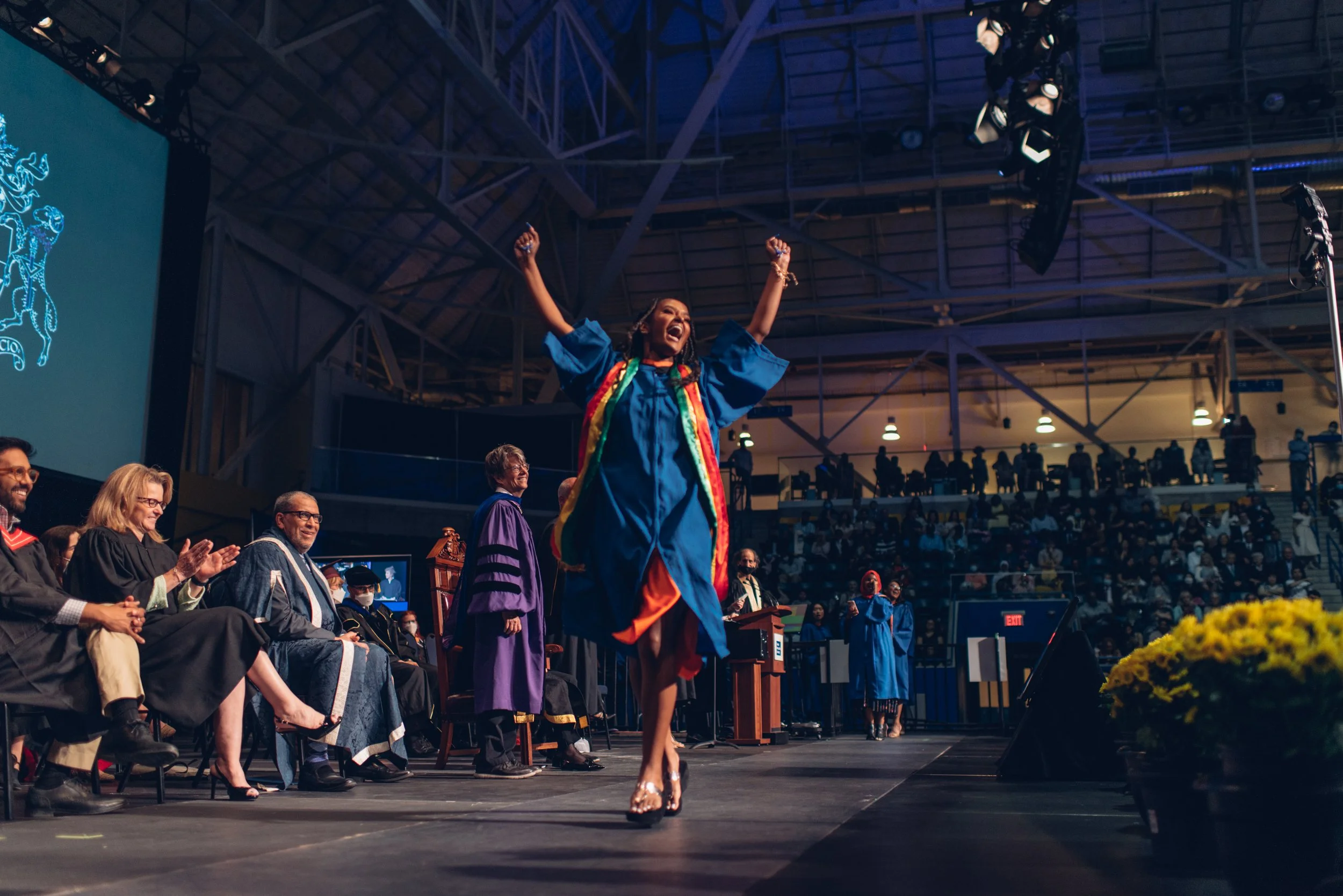
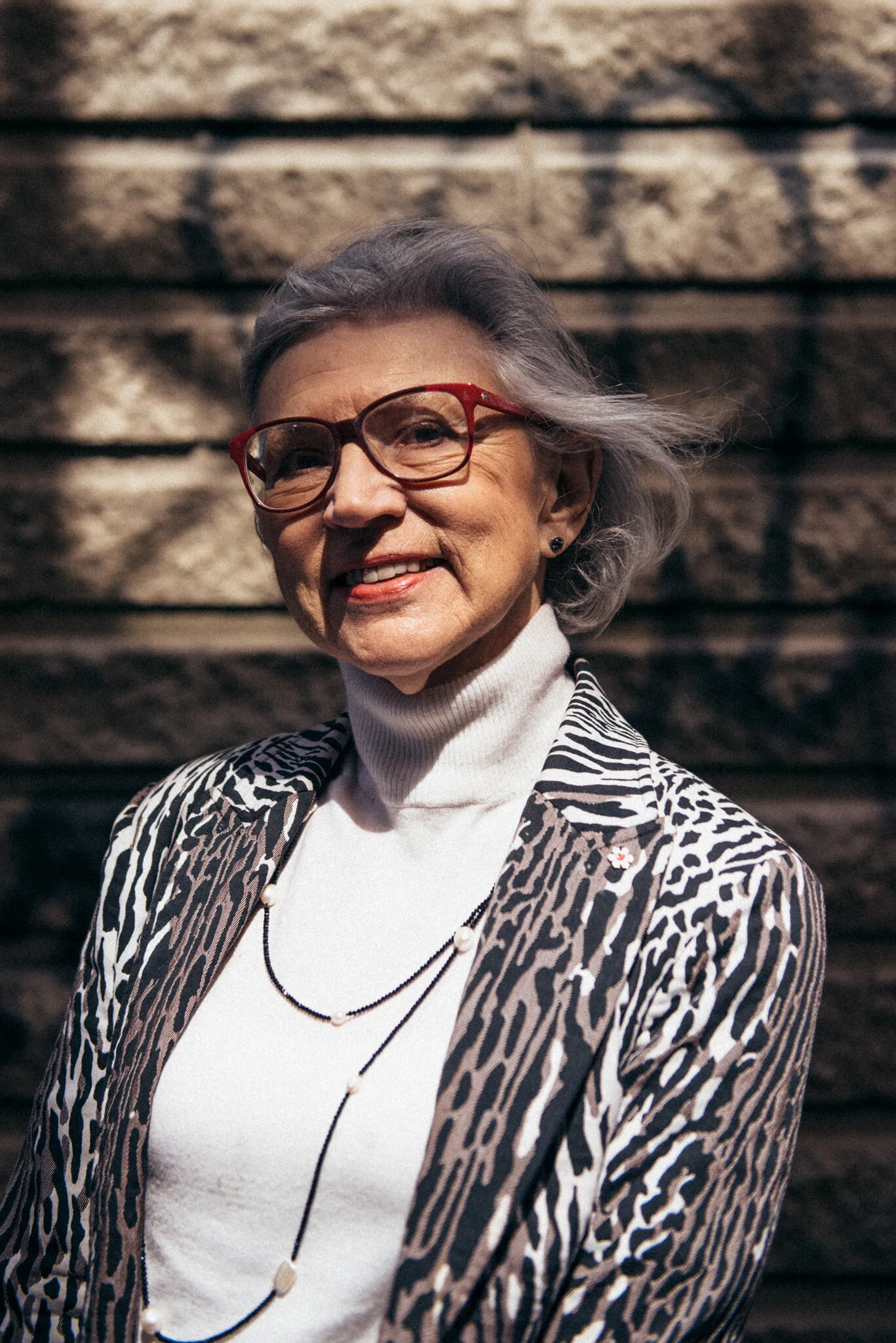
Across my career I have had the privilege of photographing women whose lives and work occupy important places in our public landscape, including the Right Honourable Beverley McLachlin, former Chief Justice of the Supreme Court of Canada; Tamara Thermitus, whose experience as a whistleblower speaks to the courage of using one's voice; Roberta Iannacito-Provenzano, the incoming president of Toronto Metropolitan University; and Deborah Flint, CEO of Toronto Pearson International Airport. My work covering prominent lawyer Atrisha Lewis was featured on The Globe and Mail's Report on Business magazine’s cover.
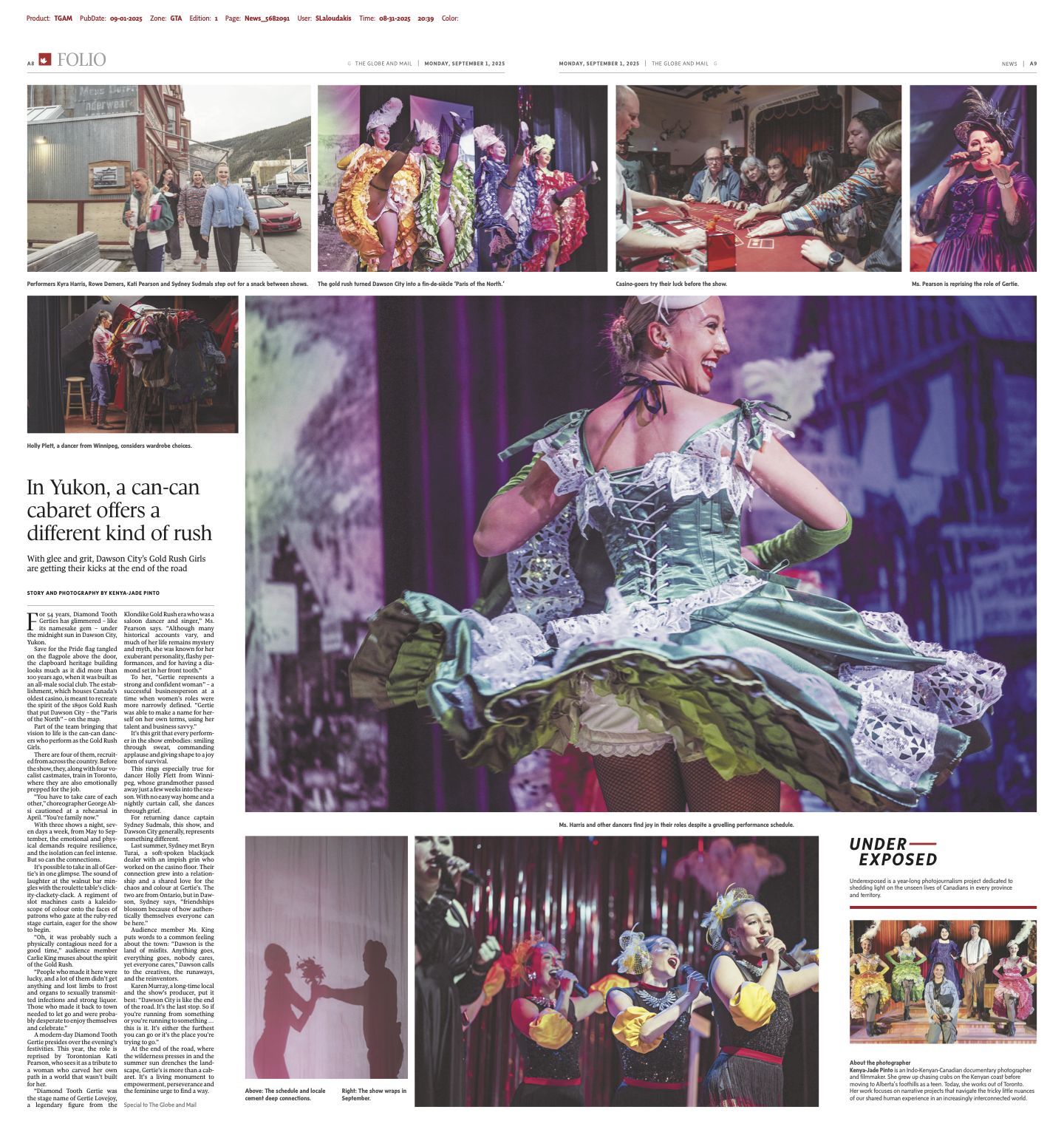
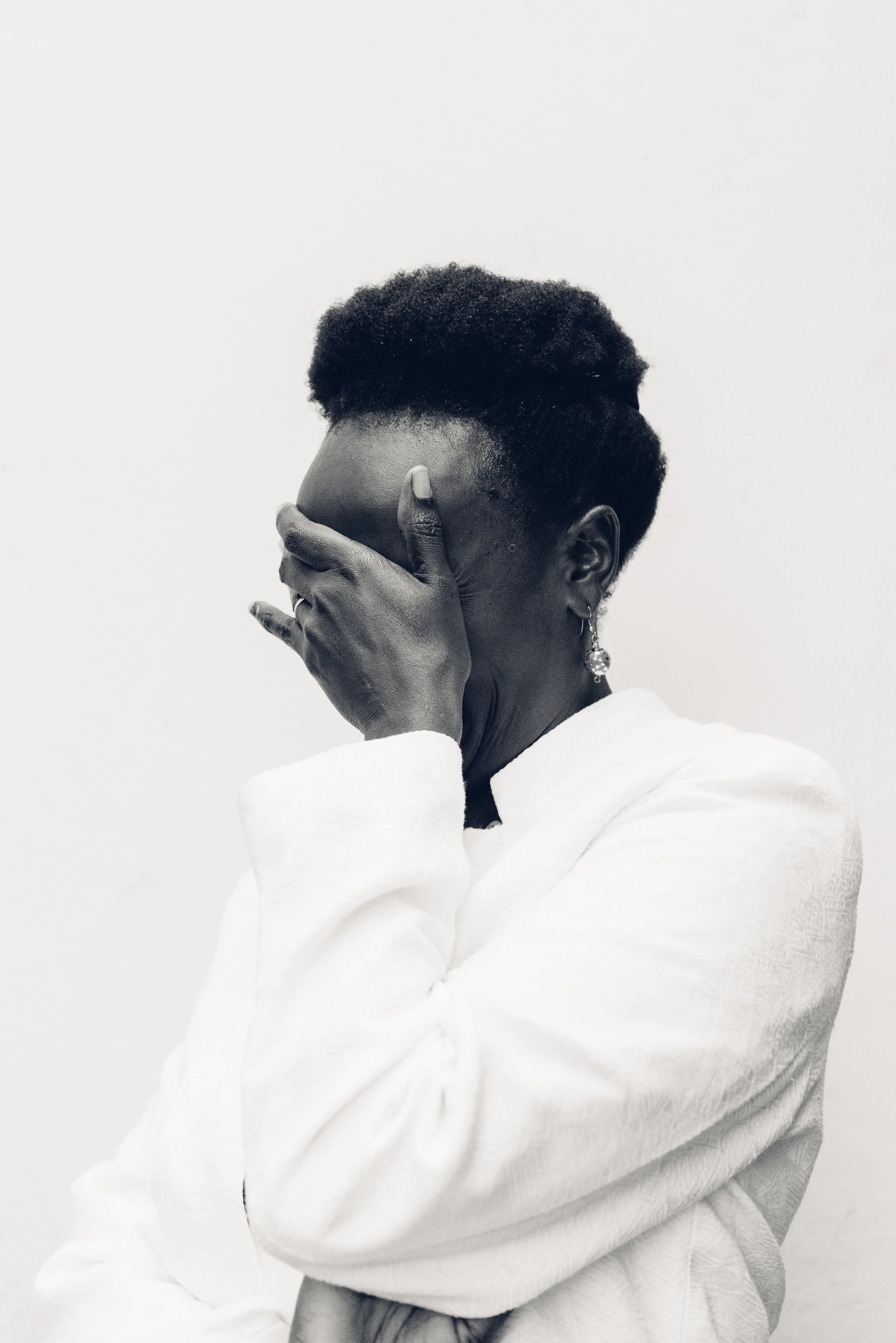
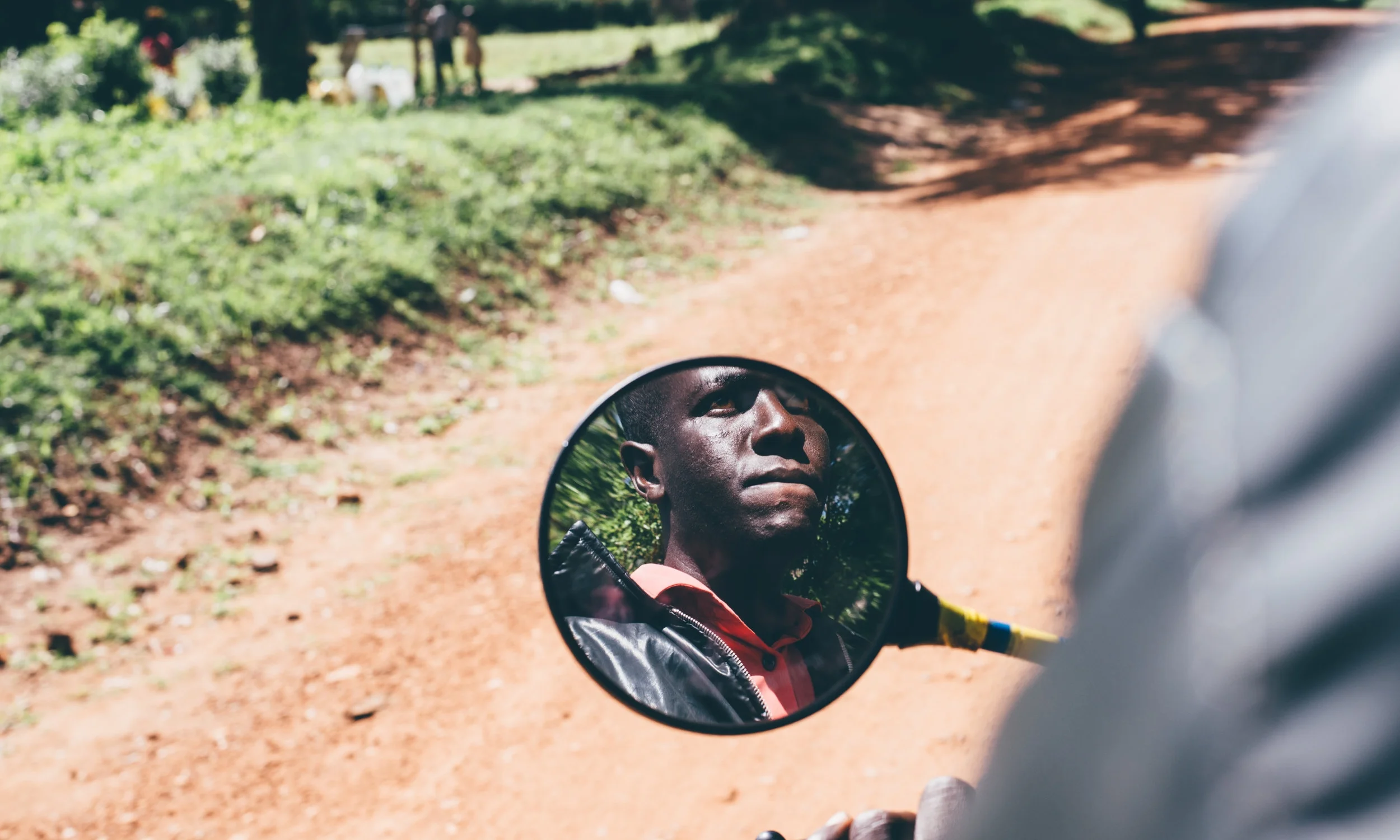
I have similarly found myself under a can-can dancers’ dressing room table in Dawson City, Yukon, and delicately protected the identity of internally displaced women fighting for their human rights in rural Kenya.
Portraits of strength ask for nuance, especially when women inhabit roles of leadership, authority and visibility. Strength can be resolute and tender, quiet and defiant, found in the conviction to lead, the courage to speak out, or the grace to simply be oneself.
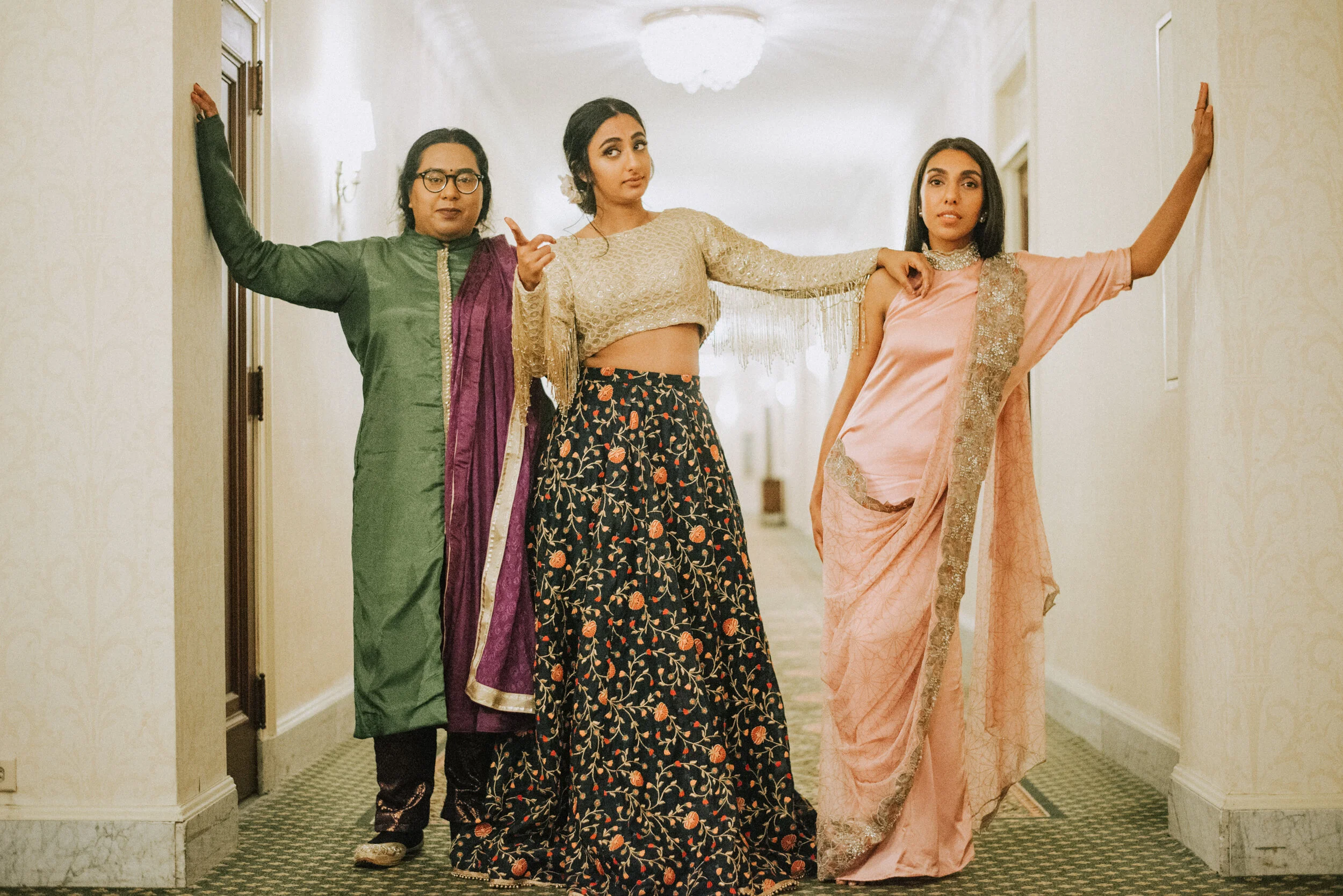
The world often asks more of women, and I find myself meeting portraiture in much the same way: asking more of myself to look closer, listen carefully and make room for added complexity. Strength doesn’t always have the same daily uniform or corner office. It lives in the women shaping our institutions, in those who challenge them, and even in the exuberant, unapologetic movement of dance. Each has offered me a different understanding of what it means to be powerful.
Ultimately, I think that is what keeps me curious about portraiture. The opportunity to look beyond a title, achievement or expectation, and find the person within. To make portraits that hold more than one truth. To recognize that every woman has her own way of taking up space, and that it is an art to intentionally find ways that allow that story to be seen.